


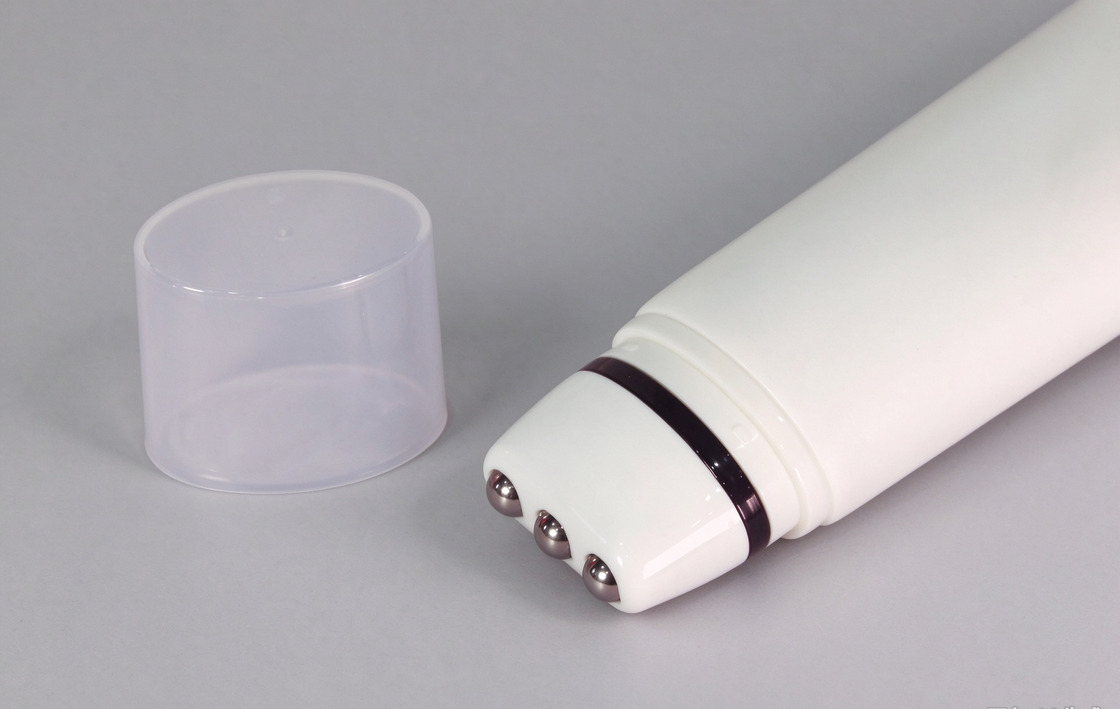
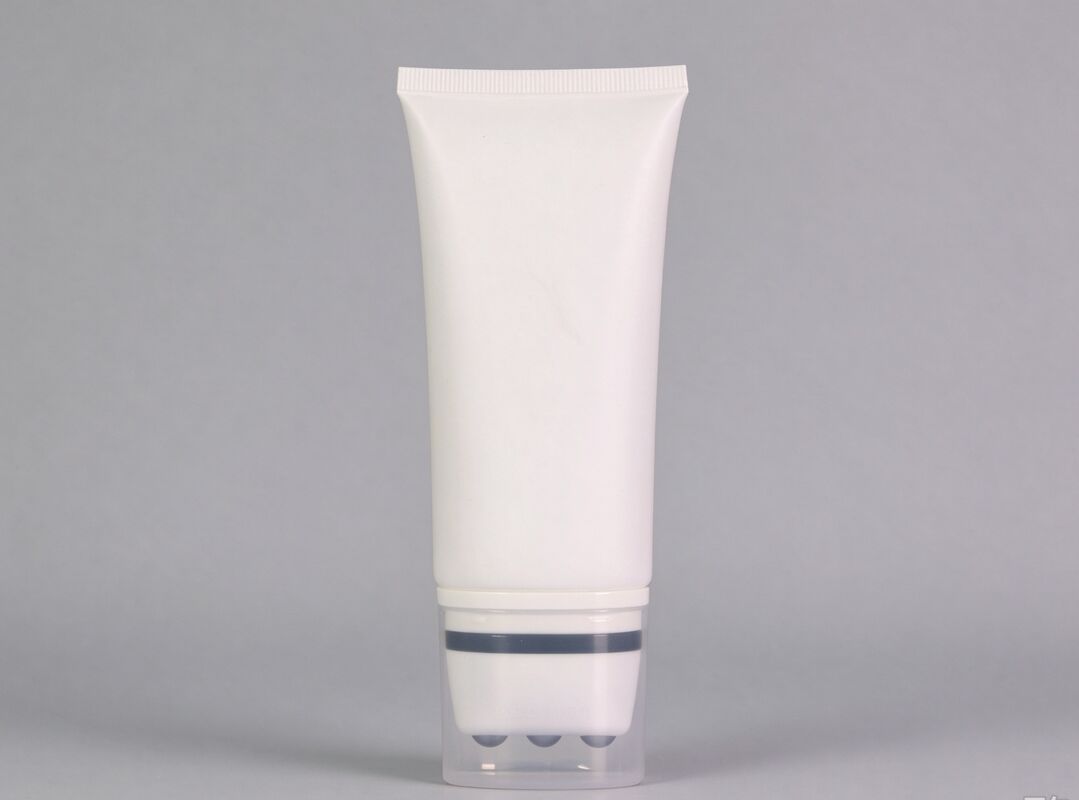
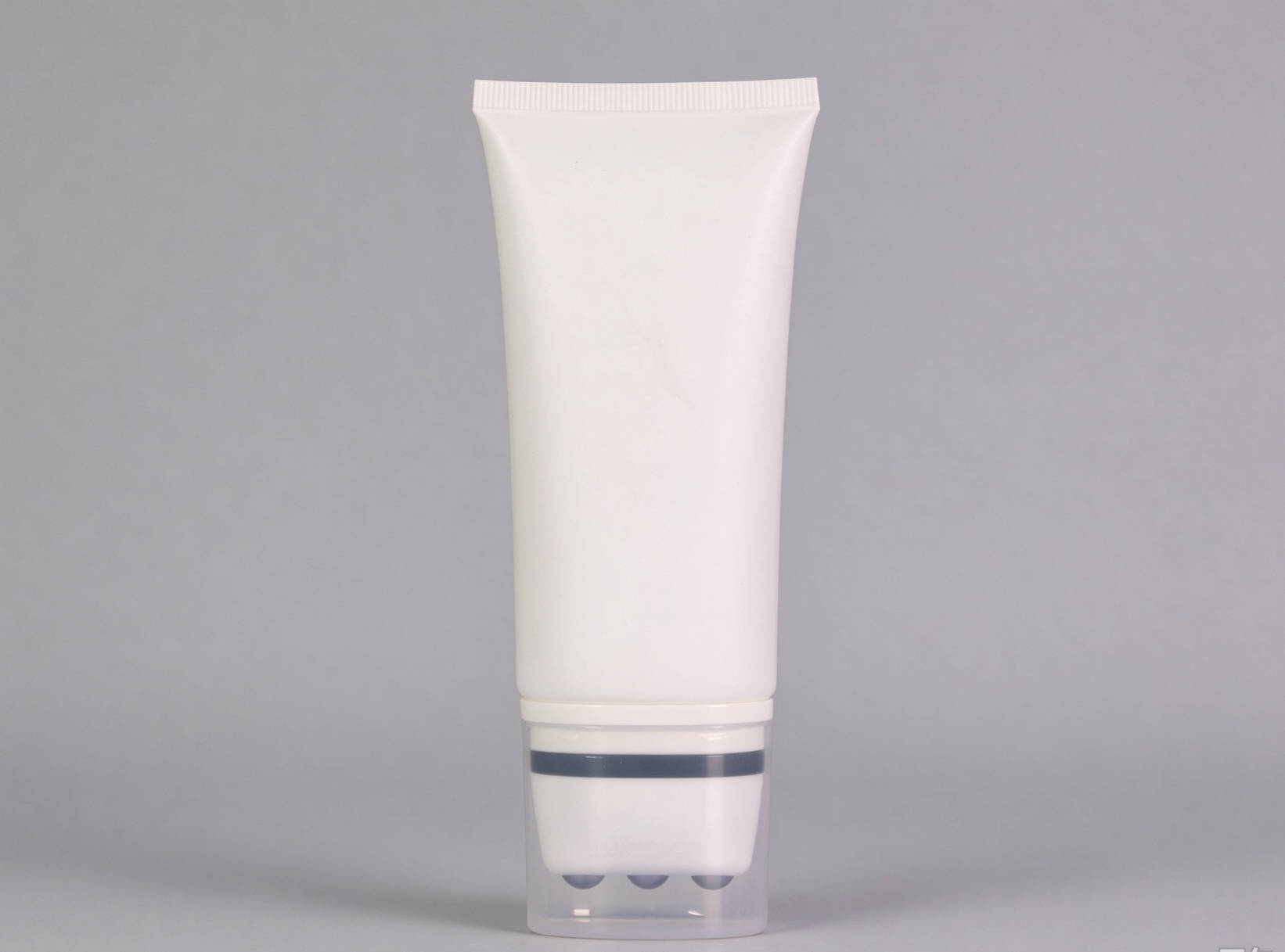

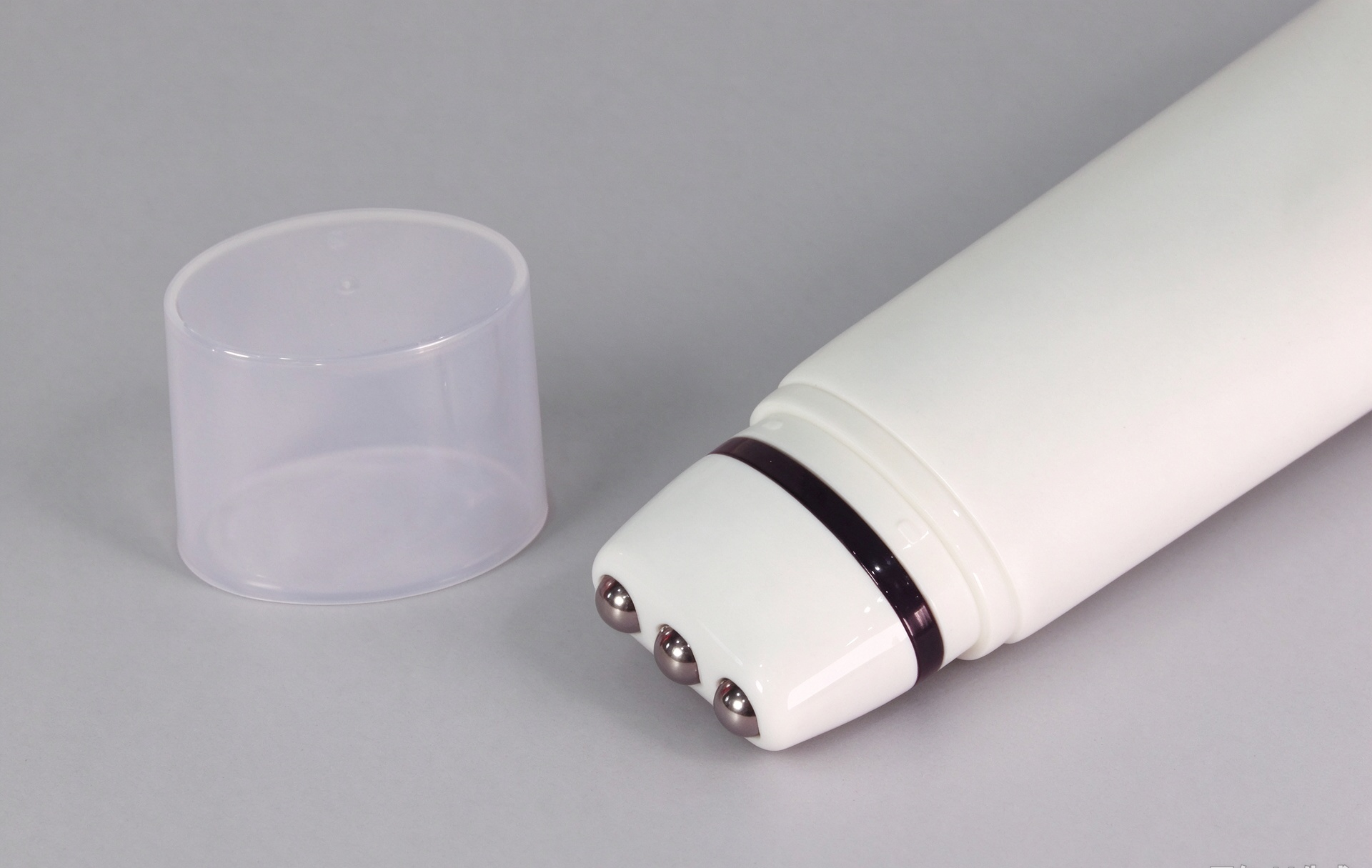
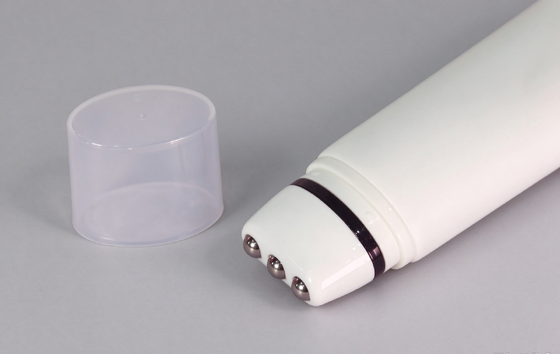
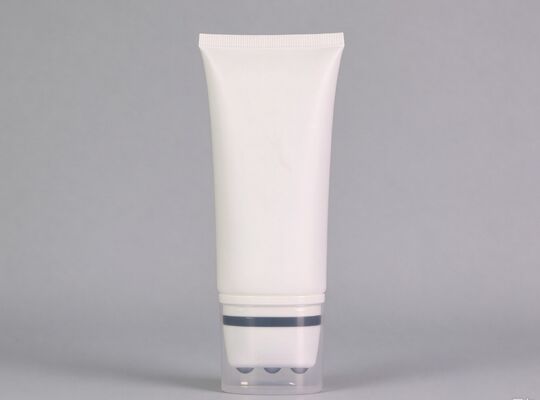
D35mm 35-110ml Custom Cosmetic Tubes Empty Plastic Hand Cream Squeeze With Vertical Stripe Screw On Cap
Contact Person : Ashley Chen
Phone Number : +86(0575) 82785857
| Minimum Order Quantity : | 10000 | Price : | Negotiable |
|---|---|---|---|
| Packaging Details : | The standard export carton packing can be packed in accordance with the requirements of the customer. | Delivery Time : | 25-30days |
| Payment Terms : | T/T | Supply Ability : | 4000000 Piece/Pieces per Month |
| Place of Origin: | Zhejiang , China | Brand Name: | WR PK |
|---|---|---|---|
| Certification: | ISO 9001,ISO 14001 | Model Number: | WRPE40Oval04 |
|
Detail Information |
|||
| Material: | PCR/PE | Color: | As Per Customer's Request |
|---|---|---|---|
| Specification: | Tube Length According To Customer's Request | Surface Handling: | Silk-screen,offset Print,hot Stamping, Electroplate Etc. |
| Capacity: | 60-180ml | ||
| Highlight: | D40 oval cosmetic tube,60-180mm multi-functional tube,40mm cosmetic tube head |
||
Product Description
This oval cosmetic plastic sunscreen lotion tube is manufactured from high-quality materials and is designed for the reliable storage and dispensing of sunscreen lotion and similar cosmetic formulations. The tube features a 40mm diameter and is available in capacities from 60ml to 180ml. It is fitted with a flip cap that opens and closes easily, keeping contents fresh and protected from contaminants.
The tube is well suited to a wide range of settings, including beach, pool, and outdoor activities, and is equally appropriate for cosmetic applications such as facial moisturizers and related products. The durable yet lightweight plastic construction makes the tube easy to transport and convenient for on-the-go use.
Overall, this oval cosmetic tube is a reliable and versatile packaging option for sunscreen lotion and other cosmetic items. Its quality materials and convenient flip-cap design make it a practical choice for both consumers and businesses.
| Material | PCR / PE |
|---|---|
| Capacity | 60–180ml |
| Diameter | 40mm |
| Color | As per customer's request |
| Production Time | 25–30 days |
| MOQ | 10,000 PCS |
| Packaging | Standard carton packing |
| Specification | Tube length according to customer's request |
| Logo | According to customer's requirement |
| Shipment | By sea, by air, or by express, etc. |
| Surface Handling | Silk-screen, offset print, hot stamping, labeling, foil sealing, electroplate, etc. |
| Application Products | Facial cleanser, moisturizer, lotion, facial cream, shampoo, etc. |
Yes. We offer various printing options including offset printing, silk-screen printing, hot stamping, and more. Please send us your sample design draft.
Two options are available: the tube mouth sealed with aluminum foil while the tail remains open for mass filling, or the tail sealed while the tube mouth remains open for filling.
Yes. If no logo or artwork printing is required, samples are provided free of charge — simply provide your freight collect account (FedEx, DHL, TNT, etc.). If you do not have an account, an express fee will be charged appropriately.
Yes. However, the quantity of each ordered item must reach our MOQ.
T/T. For bulk production: 30% deposit in advance, 70% balance before shipping. Both parties can negotiate.
We help you choose the best shipping method according to your detailed requirements — by sea, by air, or by express, etc.
Cost difference: PET (polyethylene terephthalate) and PETG (polyethylene terephthalate-1,4-cyclohexanedimethanol) are common packaging materials. Their main difference lies in the addition of 1,4-cyclohexanedimethanol, which gives PETG higher transparency and better chemical and oil resistance. These added features increase cost — PETG typically costs 2–3 times more than PET.
Cost-effectiveness: Despite the higher cost, PETG is widely used in cosmetic bottles, perfume bottles, and pharmaceutical packaging containers where transparency and chemical resistance are essential. PET is mainly used for beverage containers such as pure water and drink bottles. If your product requires highly transparent packaging and the budget allows, PETG may be the better investment.
Cost savings potential: PETG's strong low-temperature freezing resistance allows storage at lower temperatures, which benefits products requiring long-term storage. Its excellent molding performance enables one-time molding, reducing production costs while improving product quality.
Environmental protection and food safety: PETG is an environmentally friendly material — after complete combustion, only carbon dioxide and water remain, with no environmental pollution. PETG also complies with FDA food-contact certification and can be in direct contact with food. If your industry requires eco-friendly materials and direct food contact, PETG is the safer choice.
In summary, the PET vs. PETG cost comparison depends on your specific needs and budget. If you need highly transparent packaging with excellent chemical resistance and can compromise on cost, PETG may be the better choice. Otherwise, lower-cost PET may be more appropriate.
Safety and environmental protection: Packaging materials should be pollution-free with a qualified radioactivity index. Material sources and processing methods should be considered to avoid wasting natural resources. Design should be economical, effective, appropriate, convenient, and safe while enhancing the brand image.
Personalized design language: Humanized design puts people first, with reasonably designed shapes and structures that pursue convenience and practicality and adapt to various consumer needs. The design language should be personalized, informed by research on human behavior and essential needs.
Grasping the degree: Packaging should support publicity and attention while avoiding impetuous and excessive packaging or exaggeration beyond quality, brand, safety, and required volume. Quality and connotation should be expressed appropriately and plainly, avoiding integrity issues caused by overstatement, as well as waste and secondary pollution.
Humanization of color: Successful packaging design strengthens information through color expression and communicates with consumers' emotional needs. Color design should be based on psychological research — in the first 20 seconds of observing an object, color perception accounts for 80% and shape perception 20%. Good color design creates strong visual impact, captures attention, and influences purchasing judgment.
Convenience: Cosmetic packaging should be easy to open and use, with compact and lightweight designs for easy portability.
Sustainable design principles: Use recyclable materials and designs to reduce environmental pollution and resource waste. Eco-friendly materials such as biodegradable materials can reflect the brand's environmental philosophy.
Personal needs: Different cosmetics have different requirements — mascara usually needs a larger volume, while lipstick does not. Choose the appropriate size and capacity based on the type and quantity of cosmetics you use.
Space considerations: If your bathroom or makeup area has limited space, choose a smaller container; with larger space, a larger option is suitable.
Design considerations: Different designs suit different occasions or personal styles — some offer more storage space, others more decorative appeal.
Functional considerations: Some containers include mirrors or other functional designs, while others feature sealing designs to maintain freshness. Choose functionality that matches your personal needs.
Button closure: A common type that lets users open or close the tube opening by pressing a button. Simple and easy to use, but may not be as tight as other types, allowing product contact with air and affecting quality.
Sealing cap closure: Closes the tube mouth by rotating or pushing the cap, effectively preventing air and dust from entering and extending shelf life. Some high-end brands use sealed glass materials or plastic bottles with sealing films for airtight closure.
Tube-in-tube packaging structure: A more complex closed type consisting of inner and outer tubes with a cavity in between, better protecting products from external contamination. Used in some pharmaceutical products where aluminum tubes are designed for easy installation and removal across usage scenarios.
Impact on product distribution: Well-sealed tubes prevent contact with air and bacteria, reducing oxidation and contamination risk and maintaining original quality. Good sealing also avoids leakage and waste during transport and storage. Special mechanisms such as adjustable-opening tube-in-tube structures can control dispensed amounts to meet different consumer needs.
Sealing cover design: The sealing cap needs good sealing performance to keep the tube closed during use while remaining easy to open. New designs include a traction part on the side of the bottom plate facing the side wall, allowing users to pull the sealing cover away easily by hand or tool.
Sealing cover material: Common materials include rubber or silicone parts with good elasticity for reliable sealing. The traction part typically uses hard parts for structural stability.
Sealing device technology: New cosmetic tube sealing devices drive a rotating shaft via motor, then drive two gears to rotate, achieving relative movement of two sealing clamps. This improves stability and accuracy while allowing adjustment of sealing distance for different tube bodies.
Packaging bottle sealing technology: Sealing blocks and gaskets enhance sealing between the bottle mouth and press, preventing evaporation or outflow. Shock-absorbing springs and force plates reduce transport impact and prevent breakage.
Packaging process: Involves selecting appropriate materials, designing effective sealing structures, and ensuring process accuracy and integrity — requiring professional technology and equipment, including special processing for multi-layer composite hoses.
Moisturizing effect: Occlusive ingredients form an oil film on the skin surface that prevents water evaporation. Ingredients such as petroleum jelly and mineral oil offer good sealing and moisturizing effects, as do natural oils like olive oil and almond oil, which form a grease film to prevent water loss from the stratum corneum.
Skin feel: Good occlusive properties provide long-term moisturizing but may lead to a greasier skin feel. Those with strong sebum secretion may experience blocked sebum and acne. Mineral oil and petrolatum, despite good sealing properties, are sometimes perceived as low-grade due to their low price and petroleum origin.
Applicable users: Occlusive cosmetics are not suitable for everyone. Lanolin, despite good moisturizing benefits, has a reputation as a sensitizer, and some people may develop contact allergies to petrolatum. Individual skin conditions and sensitivities should be considered when choosing cosmetics.
Liquid cosmetics: Cosmetic tubes package essences, toners, lotions, and similar products that require precise metering and easy-to-use packaging — a case where tubes perform excellently.
Cream cosmetics: Creams require well-sealed, protective packaging to maintain nutritional content and texture. Cosmetic tubes are ideal due to their tight seal and durability, suitable for facial creams, lotions, shampoos, and shower gels.
Gel cosmetics: Gels have become increasingly popular for their refreshing, easy application. Cosmetic tubes suit gel packaging needs with appropriate volume control and portability.
In summary, cosmetic tubes can indeed be used for a wide variety of cosmetic products, including liquids, creams, and gels. They effectively protect products while providing a convenient use experience, making them ideal for cosmetic packaging.
You will not be disappointed with us! We hope for a long-term cooperation opportunity in the future.
Honesty, Believe, Work Hard, Insist, Do BEST …
Enter Your Message

Adhering to the spirit of“customized packaging for customers”,continuous innovation and development.
| Wanrong Packaging Co.Ltd. |
| No.1, East Gate, Lihai Industry, Yuecheng District,Shaoxing City, ZheJiang |
| 86-575-82785857 |
| ashley@wanrongtube.com |